
Rediscovering Community: Forging Connections After 60 for a Fuller Life
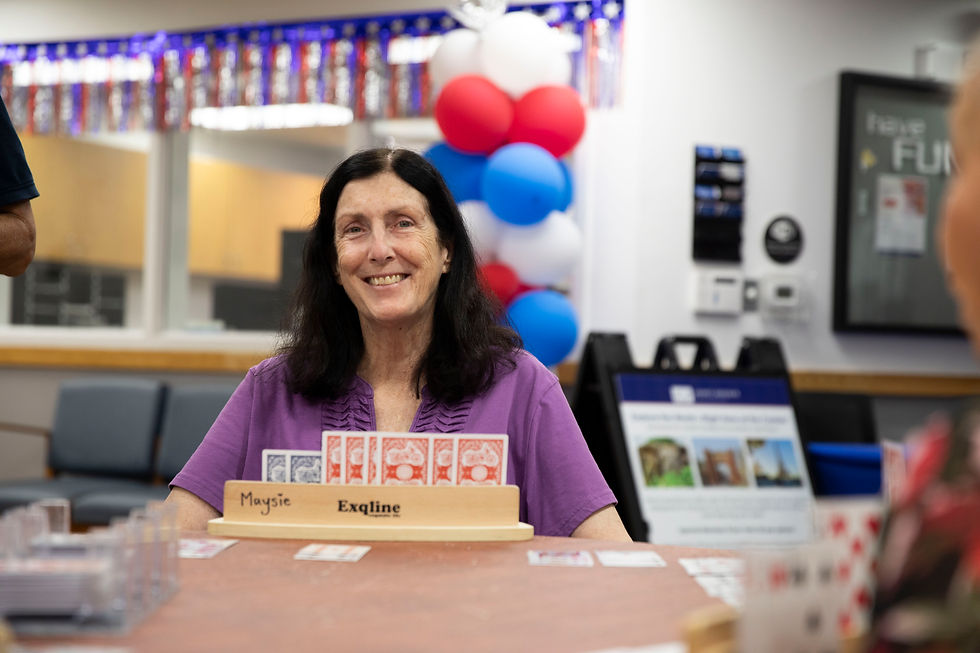
Turning 60 often feels like a crossroads: Career winds down, bodies shift, routines unravel. Amid this, loneliness can creep in, a silent thief stealing joy. But what if we reframed aging as an invitation to rebuild? The importance of connection in later life isn't hyperbole—it's a proven path to fulfillment, warding off the shadows of solitude with communal light.
Evidence abounds: The World Health Organization deems social isolation a "global public health priority," linking it to higher mortality than obesity. Yet, proactive connection slashes that risk. AARP data shows community-engaged seniors report 50% less depression, with sharper cognition from stimulating interactions.
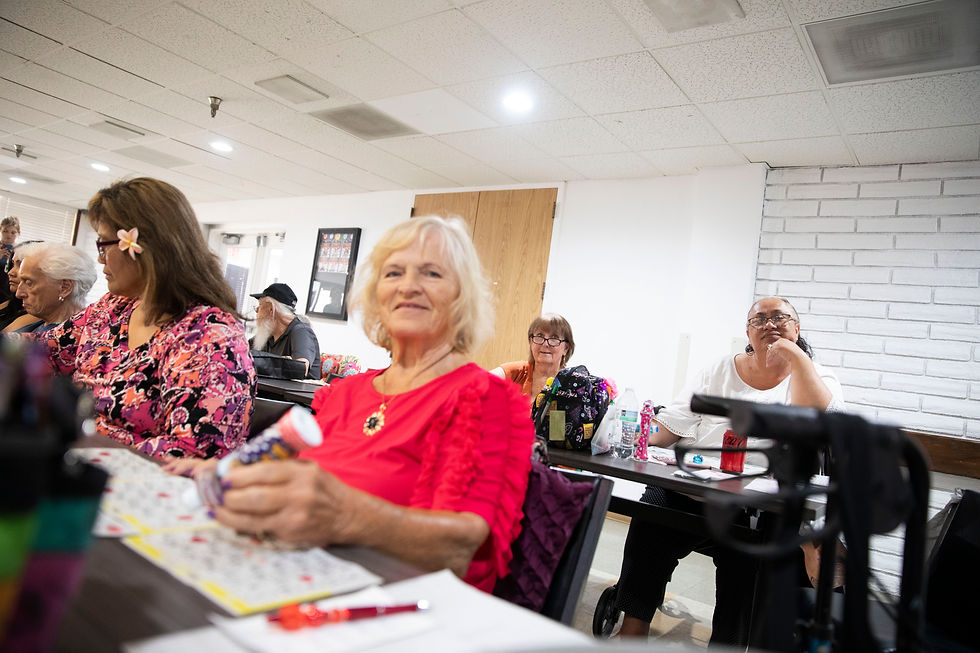
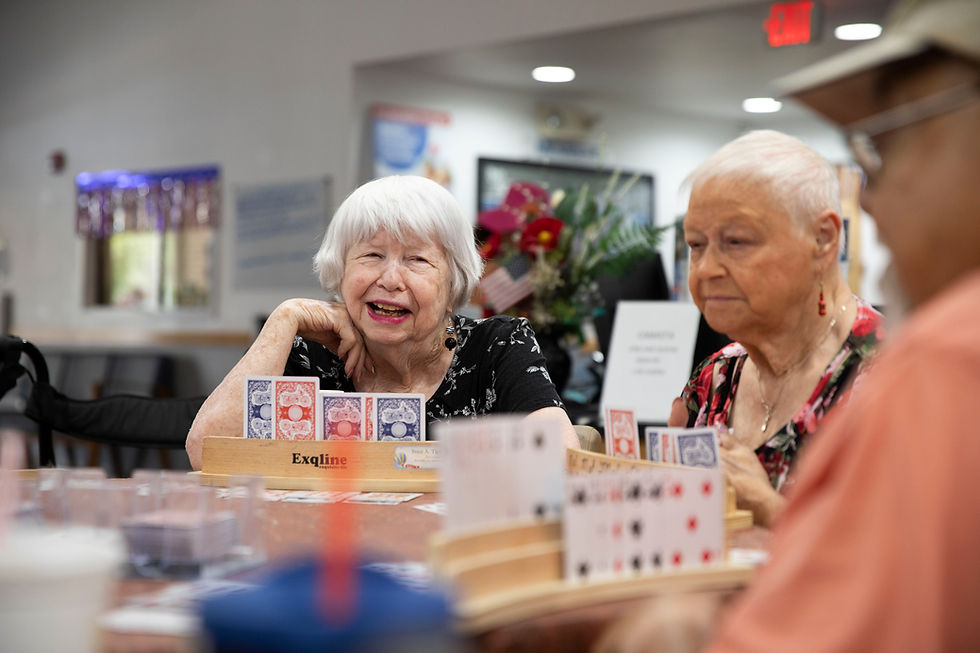
The magic lies in reinvention. Post-retirement, time opens doors to passions long sidelined. Join a hiking group for nature chats, a painting class for soul-baring critiques, or a faith circle for shared solace. These aren't obligations; they're lifelines, fostering belonging where vulnerability blooms into trust.
I witnessed this in my book club friend, Susan, who at 68 traded quiet evenings for a writers' circle. Widowed and relocated, she poured grief into prose, finding echoes in others' words. Now, they celebrate publications and birthdays together—her world, once dim, now vibrant.
Practical steps? Audit your circle: Who lifts you? Nurture them. Seek novelty: Apps like Nextdoor flag local events; libraries host free workshops. Combat tech fatigue with in-person pursuits—nothing beats eye contact's warmth.
Connection in aging is active grace: Listening deeply, offering stories, showing up. It heals divides—of time, loss, change—reminding us we're woven into humanity's tapestry.
Embrace it boldly. After 60 isn't subtraction; it's addition—of friends, insights, zest. In community, we don't just age; we ascend, connected and whole.
Comments